What are the Differences between these pests and what should Homeowners know.
Termites might be small, but the damage they cause can be colossal. If you’re spotting telltale signs like hollow-sounding wood, discarded wings, or mysterious mud tubes, you might have a termite issue on your hands. Figuring out the type of termite—drywood termites or subterranean termites —is the first step. Drywood termites love to settle into the wood above ground, while their subterranean cousins prefer to snack from below, creating extensive underground networks.
To keep these critters at bay, seal any cracks in your home’s foundation and maintain proper ventilation to reduce moisture. Remember, DIY solutions can only take you so far. Hiring a pest control specialist isn’t just smart—it’s sometimes absolutely necessary to protect your home from these voracious invaders.
What are Drywood Termites?
Drywood termites are a unique species of termite that thrive in environments in which there is a lot of dry wood. Unlike their subterranean counterparts, drywood termites do not require soil contact to survive and are typically found in warmer climates. These termites have adapted to lower moisture needs as they love the driest wood to munch on.
The primary diet of drywood termites consists of cellulose, an organic compound abundant in wood, furniture, and drywall. These termites consume and digest wooden structures and household items made of cellulose. Their feeding habits can lead to extensive damage if left unchecked, as they burrow and create tunnels within the wood, weakening its integrity.
Additionally, they can infest anything from wooden beams to antique furniture, making them a significant threat to homes and valuables. Their presence often goes unnoticed until the damage is severe, so regular inspections are essential.
What are Subterranean Termites?
Subterranean termites are among the most destructive of termite species. These termites build their nests in the soil, creating extensive networks of tunnels and mud tubes to access food sources above ground. These mud tubes, composed of soil, saliva, and fecal material, protect the termites from various predators as well as from drying out. Subterranean termites are widespread and capable of thriving in many climates, making them a significant concern for homeowners all over the country.
Similar to their drywood counterparts, subterranean termites primarily feed on cellulose. However, subterranean termites are more commonly associated with foundational wood and structures that are in contact with soil. These insects need to have contact with the soil to survive.
Subterranean termites also have a rapid reproductive cycle, which adds to their potential for widespread infestation. The queens of subterranean termite colonies are capable of laying thousands of eggs each year. This high reproductive rate allows colonies to reach maturity within just a few years; mature colonies contain hundreds of thousands to millions of individuals, including workers, soldiers, and reproductive alates. This large population size lets them cause significant damage in a short period.
What are the Differences between Drywood and Subterranean Termites?
One of the primary distinctions between drywood and subterranean termites lies in their habitat preferences. Drywood termites inhabit and feed within dry wood, requiring no contact with soil. They are often found in wooden furniture, framing, and other wooden structures above ground. In contrast, subterranean termites build their nests in the soil, creating mud tubes to access food sources above ground. This reliance on soil is a key factor in their survival and foraging behavior.
Subterranean termite colonies are typically larger and more destructive compared to drywood termite colonies. While drywood termite colonies grow slowly and consist of a few thousand individuals, subterranean termite colonies can reach populations of hundreds of thousands to millions.
The moisture requirements of these two termite types also differ. Drywood termites thrive in dry conditions (like dry wood) and can sustain themselves in low-moisture environments. On the other hand, subterranean termites require a high moisture level to survive, which is why they build their nests in the soil, essentially wet dirt. The moisture from the soil helps maintain the humidity they need to flourish.
How to Identify types of Termites?
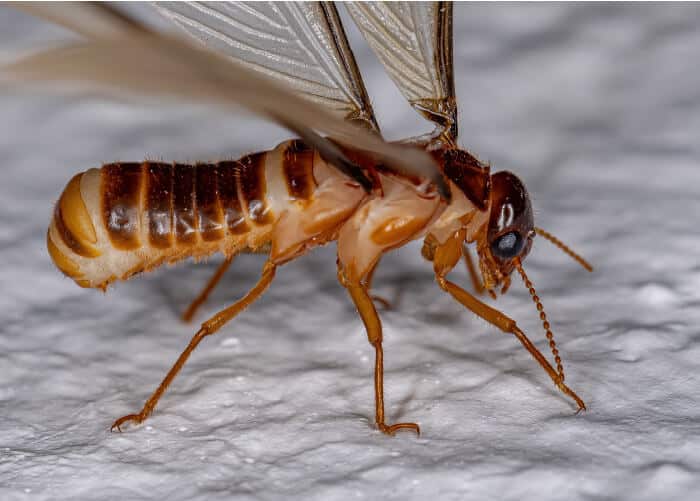
Identifying the presence of termites early can save homeowners from costly repairs.
Signs of Drywood Termites:
One of the tell-tale indicators of a drywood termite infestation is the presence of frass, which are small, pellet-like droppings. These droppings accumulate near termite entry points or beneath infested wood.
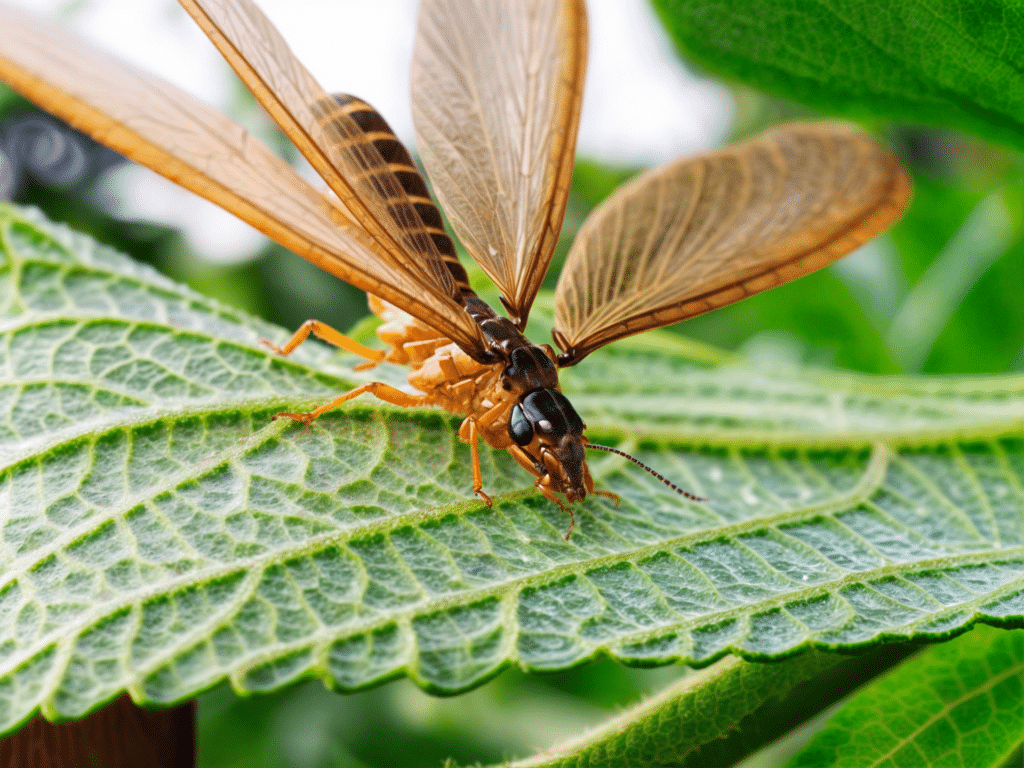
Additionally, homeowners might find discarded wings near windowsills, doors, or other entry points, indicating that reproductive alates (winged termites) have entered the home.
Another key sign is hollow-sounding wood. Tapping on wooden structures and hearing a hollow sound suggests internal termite damage, as drywood termites consume wood from the inside-out.
Signs of Subterranean Termites:
Subterranean termites often reveal their presence through mud tubes, which are small tunnels made of soil and wood particles. These tubes can be found on foundations, walls, or other surfaces providing access to wood.
Blistering or peeling paint on wood surfaces can also indicate moisture damage caused by subterranean termites.
Furthermore, structural damage like buckling wood or sagging floors can signal an infestation. Damaged wood may appear layered or honeycombed underneath as the termites tunnel through it.
Recognizing these signs early enables homeowners to take prompt action, preventing future headaches.
How are Termites Harmful?
Termites, whether drywood or subterranean, pose a significant threat to homeowners due to their ability to cause extensive damage and financial strain. Both drywood and subterranean termites are notorious for their capacity to compromise the integrity of wooden buildings.
Drywood termites consume wood from the inside out, often going unnoticed until the damage is severe. Subterranean termites, on the other hand, build underground networks of mud tubes to access above-ground wood. The resulting structural damage from either type of termite can weaken a home’s framework, making it unsafe and unstable.
The financial implications of termite infestations are substantial, often running into thousands of dollars. In the United States alone, it is estimated that termites cause over $5 billion in property damage annually. Identifying termite activity early can prevent minor damage from escalating, thereby reducing repair costs. Regular inspections and maintenance are essential to catch infestations before they cause significant harm.
Although termites do not transmit diseases to humans, their presence can still have health implications. The dust and debris created by termite activity can trigger allergies and asthma attacks in sensitive individuals. For example, the frass of drywood termites can become airborne and exacerbate respiratory issues.
Along with airborne frass particles, mold and mildew can develop in damp wood damaged by subterranean termites. While these health concerns are secondary to the structural damage issues, they still represent a notable impact on the well-being of those living in infested homes.
How to Prevent Termite Infestations
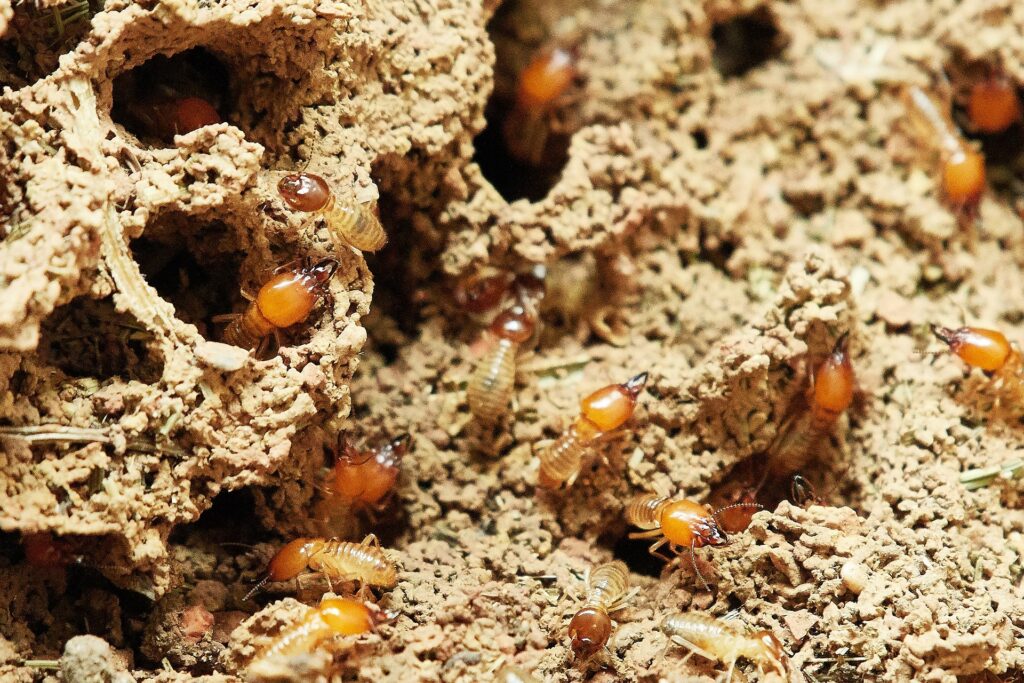
Effective prevention and treatment of termite infestations require a strategic approach tailored to the type of termite.
For Drywood Termites
- Regular Inspections: Conducting periodic inspections is vital. Look for signs of frass, discarded wings, and hollow-sounding wood. Early detection can prevent minor issues from escalating.
- Maintaining a Dry Environment: Drywood termites thrive in dry conditions, but excessive moisture can still attract them. Ensure that your home remains dry by fixing leaks and using dehumidifiers in damp areas.
- Sealing Cracks in Wood: Prevent entry by sealing any cracks or crevices in wooden structures. Use caulking or wood sealant to close gaps that termites could exploit.
For Subterranean Termites
- Ensuring Proper Drainage: Subterranean termites require moisture to survive. Make sure your home’s drainage system is effective. Gutters and downspouts should direct water away from the foundation.
- Reducing Wood-Soil Contact: Avoid placing wooden structures in direct contact with soil. Use concrete or metal barriers between the soil and wood to deter termites.
- Installing Physical Barriers: Consider installing physical barriers, such as stainless steel mesh or sand barriers, to prevent termites from accessing wooden structures.
Treatment Options
If you are well aware that you are dealing with either subterranean or drywood termites, you should move on to treatment options. Since termite colonies grow quickly, be ready with a pest control specialist when the time comes. Most of the effective treatments for a real infestation usually require a professional to deal with.
For Drywood Termites:
- Spot Treatments: For localized infestations, spot treatments using termiticides can be effective. Apply these directly to the affected areas.
- Fumigation: In cases of extensive infestations, fumigation may be necessary. This process involves sealing the structure and introducing a gas to eliminate the termites and is best applied by a professional.
- Heat Treatments: Heat treatments involve raising the temperature of the infested area to a level that is lethal to termites. This method is chemical-free and effective for drywood termites.
For Subterranean Termites:
- Bait Systems: Bait systems use strategically placed bait stations around the perimeter of your home. Termites consume the bait and carry it back to the colony, gradually eliminating it.
- Liquid Termiticides: Liquid termiticides can be applied to the soil around your home to create a barrier that kills termites on contact.
- Barrier Treatments: Physical barriers, such as steel mesh or sand, can be installed to prevent termites from entering structures.
DIY Warning:
While minor prevention measures can be handled by homeowners, serious infestations require professional attention. Termites can cause significant damage quickly, and professional pest control services have the expertise and tools needed for effective eradication.
Attempting to handle severe infestations on your own can lead to incomplete treatments and further damage. Preventing and treating termite infestations necessitates a proactive approach. Sometimes the most proactive approach is admitting when you need help.
When to Call in the Termite Experts
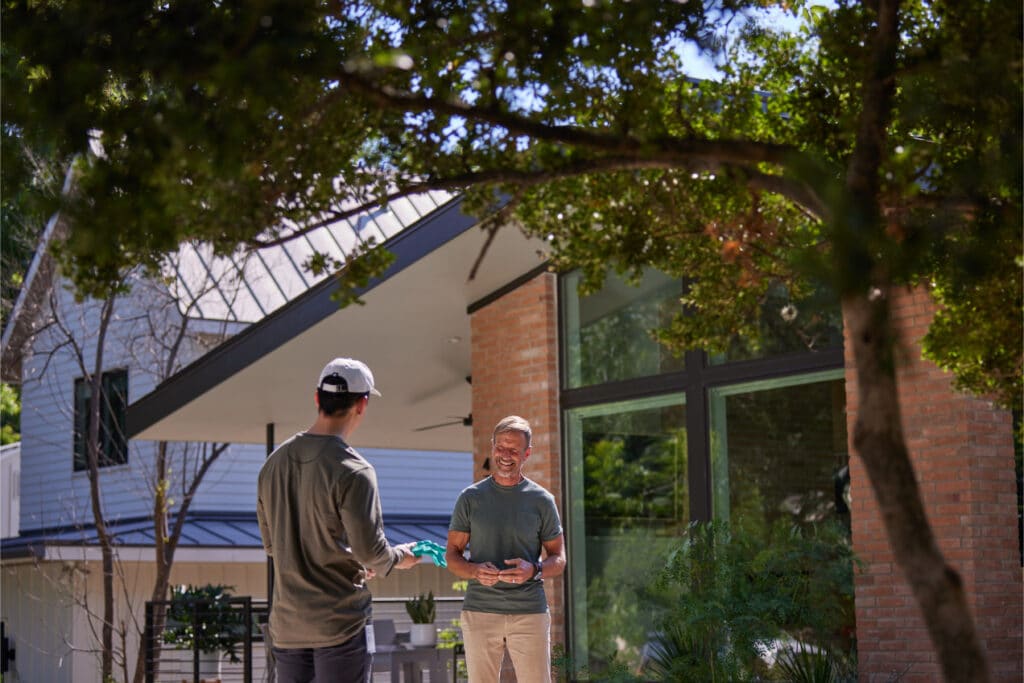
Termite infestations can escalate quickly and addressing them often requires more than just basic measures. When dealing with these destructive pests, calling in professional pest control experts is not just advisable, it’s essential.
Specialists bring a level of expertise and precision that goes beyond standard homeowner knowledge. They perform thorough inspections to identify the extent and type of infestation accurately. This detailed assessment ensures that the problem is correctly diagnosed, allowing for targeted and effective solutions.
Pest control professionals offer tailored treatments that address the specific needs of your home. Whether it’s advanced spot treatments for drywood termites or extensive bait systems for subterranean termites, experts deploy strategies that eradicate pests while minimizing future risks for reinfestation. Their treatments are designed to address the root of the problem, not just the symptoms, ensuring that termites are not just removed but prevented from returning.
Beyond immediate treatment, professionals provide ongoing monitoring and maintenance. This proactive approach extends the life of your property and protects it over the long term. Spotting signs like hollow wood and mud tubes early can save you from big repairs, and knowing the difference between drywood and subterranean termites helps you use the right methods to prevent them.
While sealing cracks and reducing moisture can help, professional pest control services provide the expertise and solutions needed for complete protection. Don’t risk your home—a little prevention now can save you a lot of trouble later. If you decide you need help with Termites or other pests in your home, give Aptive a call, we’re here to help!