Sign-in to Account
Call Us

(855) 948-5816

aptive_pest_control_lockup-white

Find Service Area

Why Stink Bugs Smell – The Science Explained

Written by Aptive Pest Control October 14, 2025

You encounter a single stink bug in your home and within minutes detect a sharp, acrid odor that seems disproportionate to the size of the insect responsible, creating an unpleasant environment that persists long after the bug is removed. This powerful defensive response represents millions of years of evolutionary refinement that has produced one of nature’s most effective chemical deterrent systems, enabling these invasive insects to survive and spread rapidly in environments lacking their natural predators.

What Are Stink Bugs?

Stink bugs (Halyomorpha halys) are invasive insects that have become a common household pest in many parts of the world. Recognizable by their distinctive shield-shaped bodies, these bugs can be destructive to crops and gardens.

Key facts about stink bugs:

  • Appearance: Typically brown or green, with a broad, shield-like body about 1–2 cm long.
  • Origin: Native to Asia, stink bugs were accidentally introduced to the U.S. and other countries, where they spread rapidly.
  • Diet: Primarily feed on fruits, vegetables, and plants, piercing them with their mouthparts and causing damage.
  • Behavior: In autumn, stink bugs often invade homes in large numbers as they seek warmth for overwintering.
  • Defense mechanism: Release a pungent odor from thoracic glands when threatened, handled, or crushed.
  • Impact: While not dangerous to humans or pets, they are major agricultural pests and a major nuisance indoors.

The Chemistry Behind the Stench

Stink bug odor production relies on specialized anatomical structures and biochemical processes that enable rapid synthesis and deployment of defensive compounds when threats are detected.

Adult stink bugs possess paired metathoracic scent glands located on the ventral thorax between the middle and hind legs, featuring complex ductal systems that enable rapid chemical release through external pores called ostioles.

These specialized glands contain secretory cells that produce and store volatile organic compounds in concentrated form, enabling immediate deployment when neurological triggers activate muscular contractions that expel chemical contents.

Juvenile stink bugs (nymphs) utilize different defensive systems including dorsal abdominal scent glands that produce distinct chemical compounds, with gland location and chemistry changing through molting stages until adult development.

Scent glands maintain high concentrations of defensive compounds in specialized storage chambers, enabling rapid release of sufficient quantities to create effective deterrent effects over substantial areas.

Why the Odor Is So Effective

Stink bug chemical defense represents sophisticated evolutionary adaptations that provide multiple survival advantages through predator deterrence and intraspecific communication.

  • Chemical compounds irritate mucous membranes, produce bitter tastes, and create noxious odors that discourage consumption by birds, mammals, and arthropod predators while potentially causing temporary incapacitation or illness.
  • The distinctive odor serves as a warning signal that advertises stink bug unpalatability to potential predators, enabling learned avoidance behaviors that reduce predation pressure on entire populations.
  • Chemical releases warn nearby conspecifics of danger, triggering defensive behaviors including dispersal, hiding, and increased vigilance that improves survival rates for local populations.
  • High concentrations of defensive compounds can inhibit further aggregation in contaminated areas, preventing overcrowding and resource competition while distributing populations more effectively.

Stink Bug Infestation: More Than Just a Nuisance

Stink bug chemical releases in indoor environments create persistent contamination problems due to enclosed spaces, limited ventilation, and surface absorption characteristics.

Indoor chemical releases rapidly saturate enclosed spaces through air circulation systems while demonstrating extended persistence due to limited air exchange and atmospheric dilution.

Defensive compounds adhere to fabrics, carpeting, upholstery, and porous surfaces through absorption and chemical bonding that resists standard cleaning methods.

HVAC systems can distribute stink bug odors throughout buildings while concentrating compounds in ductwork and filtration systems that require specialized cleaning procedures.

Multiple chemical releases in confined spaces create cumulative contamination that intensifies over time while demonstrating extended persistence following source removal.

Why Stink Bug Pest Control Is So Important

When stink bug odor problems continue despite cleaning efforts, Aptive’s pest control experts provide the comprehensive solutions necessary for lasting results. Our pest control service can perform detailed stink bug assessments to identify population sources, extent of pest contamination, and environmental conditions driving continued pest establishment and odor production.

If you’re experiencing persistent stink bug odors despite elimination efforts, dealing with widespread contamination in indoor spaces, or need professional assessment of stink bug-related odor problems, contact Aptive today for a free quote.

Curated articles for you, from our pest experts.

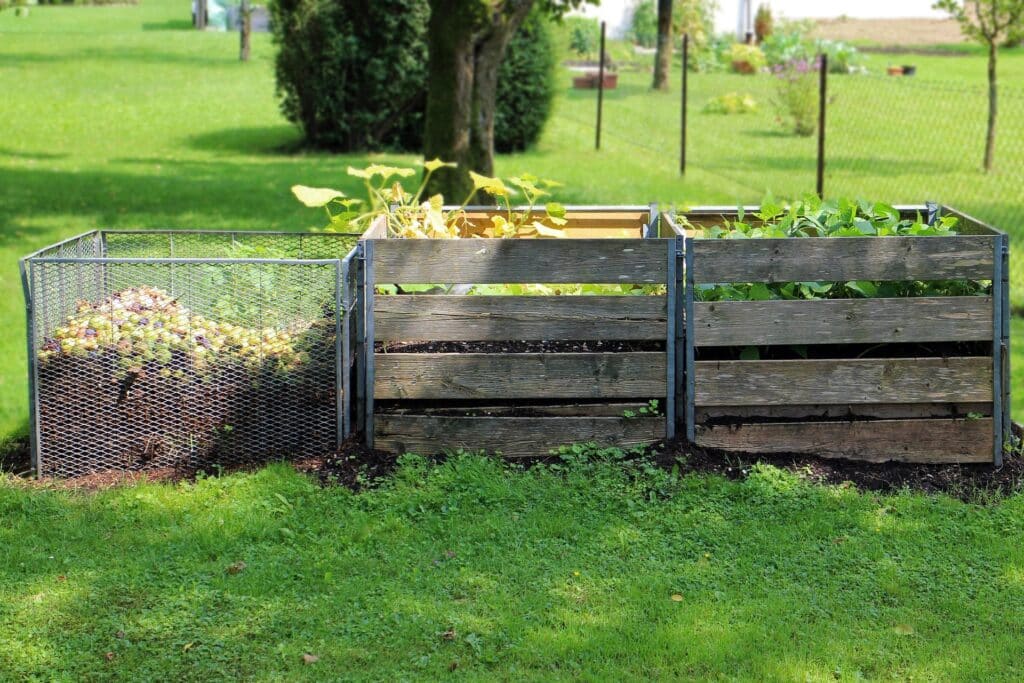
Three Outdoor Compost Bins Made Of Wooden Slats And Wire Mesh, Filled With Organic Waste And Growing Plants, Situated On A Green Lawn.

Compost and Pests: What Homeowners Should Know

You maintain an active compost system to reduce household waste and enrich garden soil, but observe increasing pest activity around the bin raising concerns about whether decomposition processes attract organisms that may migrate toward residential structures or...

Oct 27, 2025
A Large Modern Wooden Cabin-Style House With Brown Trim And A Stone Foundation, Set On A Landscaped Hill With Evergreen Shrubs, Gravel Ground Cover, And A Clear Blue Sky Overhead.

Boat and RV Pest Prevention Tips During Storage

Storage periods create the perfect storm for pest invasions. RVs and marine vessels sit idle for months, often in less-than-ideal conditions, providing exactly what pests seek: shelter, darkness, and undisturbed spaces to establish their presence. Whether you're...

Oct 27, 2025
A Close-Up Macro Photograph Showing A Cluster Of Spiny, Brown Insect Eggs On A Textured Green Leaf, With Fine Hair-Like Structures Protruding From Each Egg. The Leaf Surface Is Detailed And Glossy Under Sunlight.

Insect Reproduction and Population Surges Explained

You observe minimal pest activity for extended periods before experiencing sudden dramatic increases in insect populations that seem to appear overnight, creating confusion about whether infestations originate from external sources or represent explosive growth...

Oct 23, 2025
A Close-Up View Of A Modern White Wall-Mounted Air Conditioning Unit Installed Above A Window With Sheer White Curtains And Dark Gray Drapes, In A Clean Indoor Space With Light-Colored Walls.

HVAC Systems: A Highway for Pests

You maintain your HVAC system diligently for energy efficiency and air quality, yet discover pest activity in multiple rooms simultaneously despite having no obvious entry points visible from interior spaces. This puzzling scenario often indicates that your heating...

Oct 23, 2025
A Large Two-Story Brick House With Tudor-Style Architecture, Snow Covering The Front Yard And Roof, Leafless Tree Branches Extending Across The Top Of The Image, And A Small Decorated Christmas Tree By The Front Door.

How Pests Survive Winter’s Harsh Conditions

You assume that freezing temperatures and snow eliminate pest problems until spring, yet continue discovering evidence of active infestations including fresh droppings, ongoing damage, and live insects throughout the coldest months. This misconception...

Oct 23, 2025
A Large, Two-Story Wooden House With A Red Shingle Roof And Stone Accents, Set On A Landscaped Slope With Small Conifer Shrubs, Rock Mulch, And Brown Wooden Stairs Leading Up To The Front Entrance. The Home Features Balconies, Large Windows, And Is Surrounded By A Mountainous Forest Area Under A Partly Cloudy Blue Sky.

How Landscaping Decisions Affect Pest Activity

You carefully design your landscape for aesthetic appeal and property value, yet unknowingly create ecological conditions that attract and sustain diverse pest populations seeking shelter, nutrition, and breeding opportunities. These landscaping elements function...

Oct 23, 2025
A Close-Up Image Of A Scorpion On Sandy Ground, With Its Tail Arched Over Its Back And Pincers Extended Forward, Captured In A Defensive Posture.

The Most Common Pests in the Southwest

The southwestern United States presents unique pest challenges due to its arid climate, extreme temperatures, and diverse ecosystems that support various insect and arthropod species adapted to desert conditions. Homeowners in Arizona, New Mexico, Nevada, and...

Oct 21, 2025
A Wooden Ladder With Paint Splatters Stands In Front Of A White Wall, Surrounded By Painting Supplies Including A Roller, Paint Trays, Blue Painter'S Tape, A Color Swatch Fan, And A Can Of White Paint. The Hardwood Floor Is Protected With Plastic Sheets And Brown Paper.

Remodeling Projects and Pest Surprises

You begin demolition on your dream kitchen renovation only to discover evidence of extensive pest activity hidden within wall cavities, beneath cabinets, and inside structural spaces that have remained undisturbed for years or decades. These unwelcome discoveries...

Oct 20, 2025
Three Large Blue Plastic Bins Lined Up Against An Indoor Wall, Each Labeled &Quot;Mixed Recycling&Quot; With Black Wheels At The Bottom And Metal Lifting Bars Across The Front.

Recycling and Pests: What’s the Connection?

You maintain dedicated recycling systems to reduce environmental impact but observe increasing pest activity around sorting bins, raising concerns about whether sustainable waste management practices inadvertently create conditions supporting household...

Oct 20, 2025
A Modern, Empty Room With Light Wood Flooring, Gray Walls, And A Vaulted White Ceiling With Track Lighting. A Sleek Dark Wood Door Is Closed On The Right Wall, While A White Media Console Sits Below A Row Of Outlets. French Doors Open To A Balcony With A View Of Greenery And A Distant Landscape.

Pest Risks in Vacant Homes: What To Expect

You purchase what appears to be a well-maintained vacant property, conduct routine inspections that reveal no obvious problems, yet discover extensive pest activity within days of moving in your belongings and beginning occupancy. This common scenario reflects the...

Oct 20, 2025

Take back your home with pest control today.