Hornets, with their striking appearance and sometimes aggressive behavior, can pose a significant threat when their nests are in close proximity to human dwellings. They are part of the wasp family, along with yellow jackets. Some other types of wasps, like the bald-faced hornet (known for its painful sting) are commonly referred to as hornets, but are actually yellow jackets. The only true hornet found in the United States is the European hornet.
Understanding the intricacies of hornet nests, their behavior, and the potential dangers they present is crucial for effective pest control solutions. In this guide, we will explore the identification of hornet nests, delve into the behavior of these stinging insects, discuss signs of nest presence, examine the dangers associated with hornet nests, explore methods for control and removal (both with and without professional assistance), and conclude with various measures to keep these buzzing invaders at bay.
Identifying Hornets and Their Nests
Physical Characteristics
Hornets exhibit distinct physical characteristics. They are larger than typical wasps, with some species reaching up to 2 inches in length. Hornets are known for their robust bodies, distinctive color patterns, and formidable stingers. Recognizing these features is essential for accurate identification.
Nest Appearance
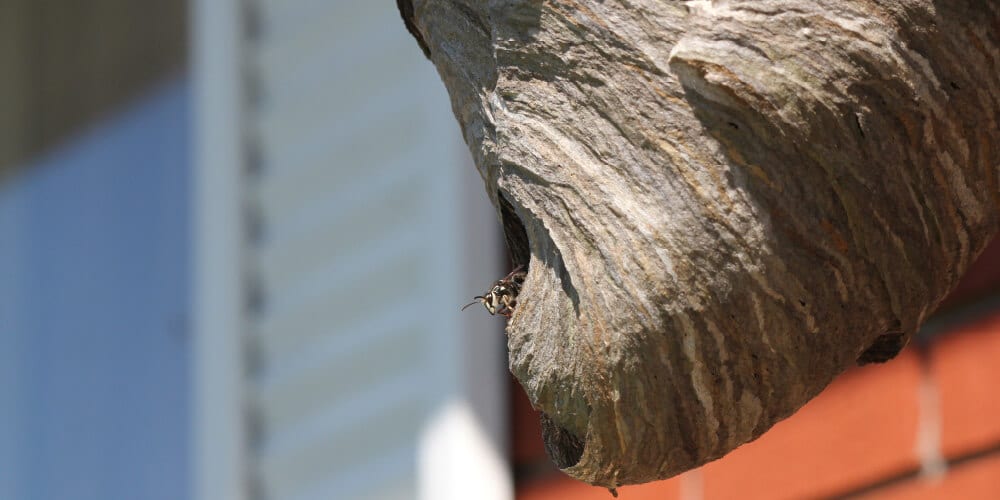
Hornet nests are marvels of insect architecture. Constructed from a paper-like material derived from wood fibers and saliva, hornet nests often take on a spherical shape. Depending on the species, nests can vary in size, with some reaching several feet in diameter. Understanding the structure and location of these nests is important for effective control.
Behavior of Hornets
Social Structure
Hornets, like many wasps, are social insects organized into colonies. Each colony typically consists of a queen, workers, and drones.
Foraging Patterns
Hornets are adept hunters, preying on various insects to feed their larvae. They also consume nectar, sap, and sweet substances.
Aggressive Defense Mechanisms
When threatened, hornets are known for their aggressive defense mechanisms. Unlike bees, hornets can sting repeatedly, injecting venom that can cause intense pain and, in some cases, trigger allergic reactions.
Signs of Hornet Nest
Visible Nest
The most apparent sign of a hornet nest is the physical structure itself. Nests are often located in trees, shrubs, or even on the sides of buildings and homes. Identifying these nests early on is crucial to avoid potential dangers associated with an established colony.
Increased Hornet Activity
A sudden surge in hornet activity in and around a specific area may indicate the presence of a nearby nest. This can include heightened foraging, increased numbers of hornets entering and exiting a particular location, and audible buzzing near the nest site.
Distressed Behavior
If hornets feel their nest is threatened, they may exhibit distressed behavior. This can include increased aggression, louder buzzing, and swarming. Recognizing these signs is essential for avoiding potential stinging incidents.
Dangers of Hornet Nest
Health Risks
Hornet stings can be particularly dangerous, especially for individuals allergic to insect venom. Anaphylactic reactions can occur rapidly and may lead to severe health consequences or even fatalities. Recognizing the dangers associated with hornet nests emphasizes the importance of timely control measures.
Method of Hornet Control and Nest Removal
Professional Pest Control
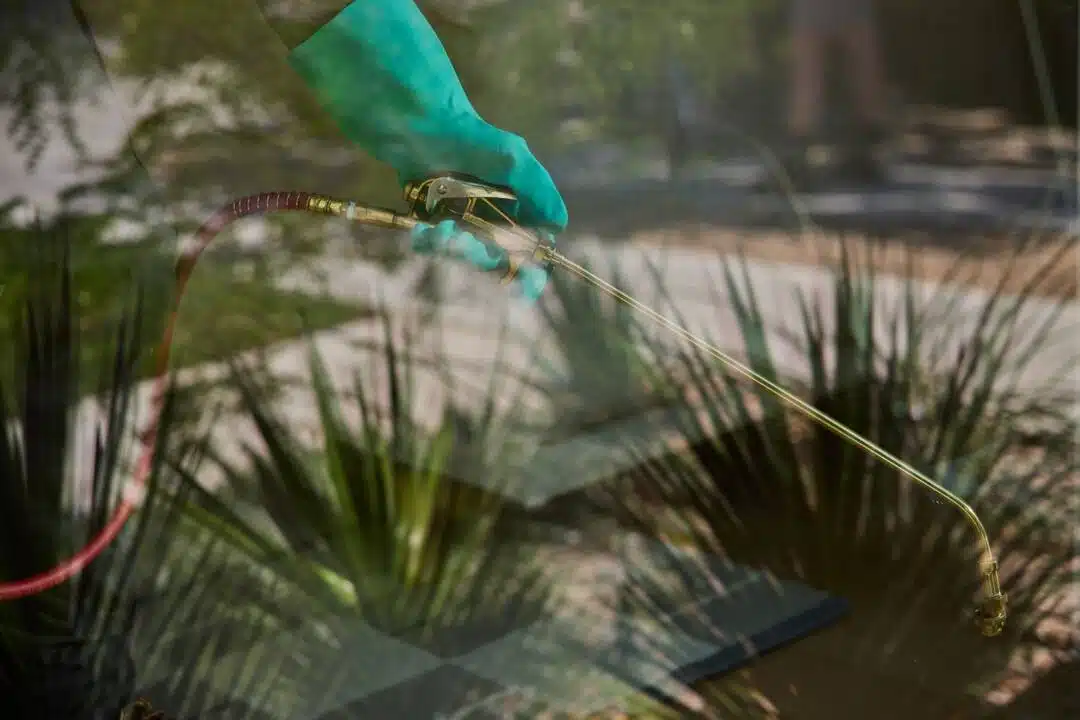
Engaging professional pest control services is often the most effective way to deal with hornet nests. Pest control experts are equipped with the knowledge, experience, and specialized equipment needed to safely and efficiently handle hornets. They may use targeted treatment products, physical removal methods, and protective measures to ensure the effective control and removal of hornets nests.
Protective Gear and Safety Measures
Pest control professionals utilize protective gear to safeguard themselves during nest removal. This includes specialized suits, gloves, and face coverings. Safety measures are important to limit stings and ensure a controlled and efficient removal process.
Trusted pest solutions
Professional service, inside and out.
From backyards and basements to kitchens and bedrooms, we understand the importance of being able to enjoy all of your home.
How to Limit Hornet Nests
Regular Inspection
Regularly inspecting your property for signs of hornet activity is crucial for early detection. Conduct thorough examinations of potential nesting sites, paying attention to eaves, trees, and shrubs.
Sealing Entry Points
Taking appropriate measures to seal potential entry points into buildings can deter hornets from establishing nests indoors. This includes repairing damaged screens, sealing gaps in walls, and closing off access points.
Professional Inspection Services
Engaging professional pest control services for regular inspections can provide peace of mind. Pest control experts can identify and address potential nesting sites before a full-blown infestation occurs.
Landscape Management
Maintaining a well-manicured landscape can discourage hornets from nesting. Trim overgrown vegetation, remove debris, and keep outdoor areas clean to minimize potential nesting sites.
Conclusion
Hornet nests, with their potential for harm and structural damage, demand a proactive approach to identification, control, and prevention. Understanding the physical characteristics of hornets, recognizing signs of nest presence, and acknowledging the dangers they pose are essential steps toward effective management. Professional pest control services offer the most efficient solution and homeowners should exercise caution if attempting DIY nest removal. By implementing preparatory measures, such as regular inspections, sealing entry points, and landscape management, individuals can significantly reduce the risk of hornet infestations.