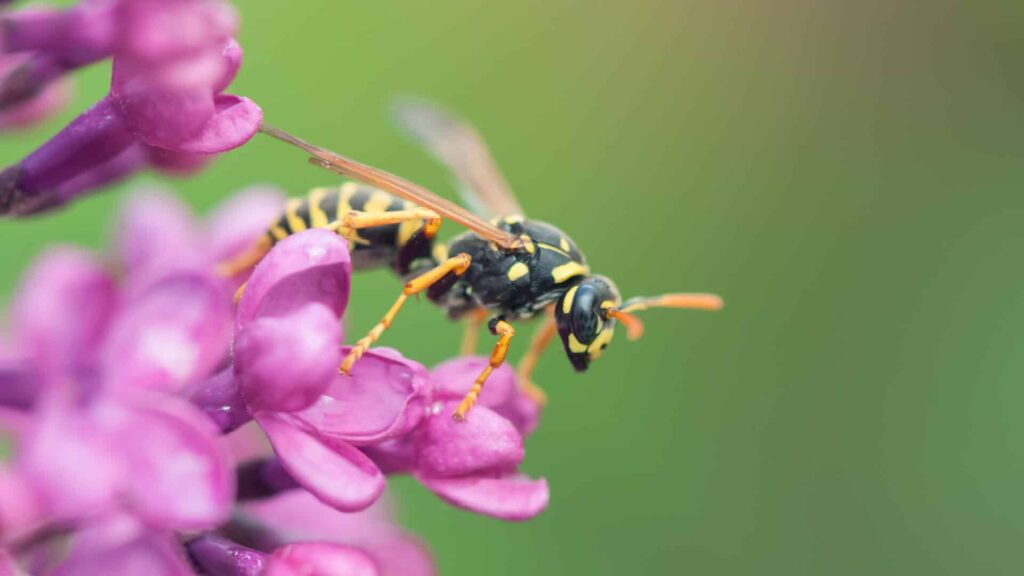
Wasps—those buzzy flyers that can turn a peaceful afternoon into a frantic game of dodge. While they might seem like nature’s biggest buzzkill, wasps play an important role in our ecosystems, from pollinating plants to keeping pesky insects in check. Yet, it’s hard to appreciate its environmental contributions when one starts hovering near your picnic or backyard barbeque.
In this article, you’ll learn about the five most common wasps in the U.S., their traits, and how to protect yourself and your home.
Understanding Wasp Behavior: Aggression Levels and Risks
The United States is home to various wasp species, each with its own behavior. Some wasps are more solitary, focusing on hunting or nest-building, and are generally less aggressive, posing minimal risk to humans. However, other species are more aggressive and can become defensive if threatened.
Understanding these differences is key to staying protected during the warmer months when wasps are most active. While not all wasps are dangerous, knowing which ones to avoid can help prevent painful stings. Each species, from the aggressive yellow jacket to the more passive mud dauber, has its own temperament and potential risks.
Recognizing these differences is essential for keeping yourself and your home secure. Although wasps are vital in nature, they don’t need to make your backyard their home. Now, let’s explore the five common types of wasps you might encounter.
The 5 Common Types of Wasps
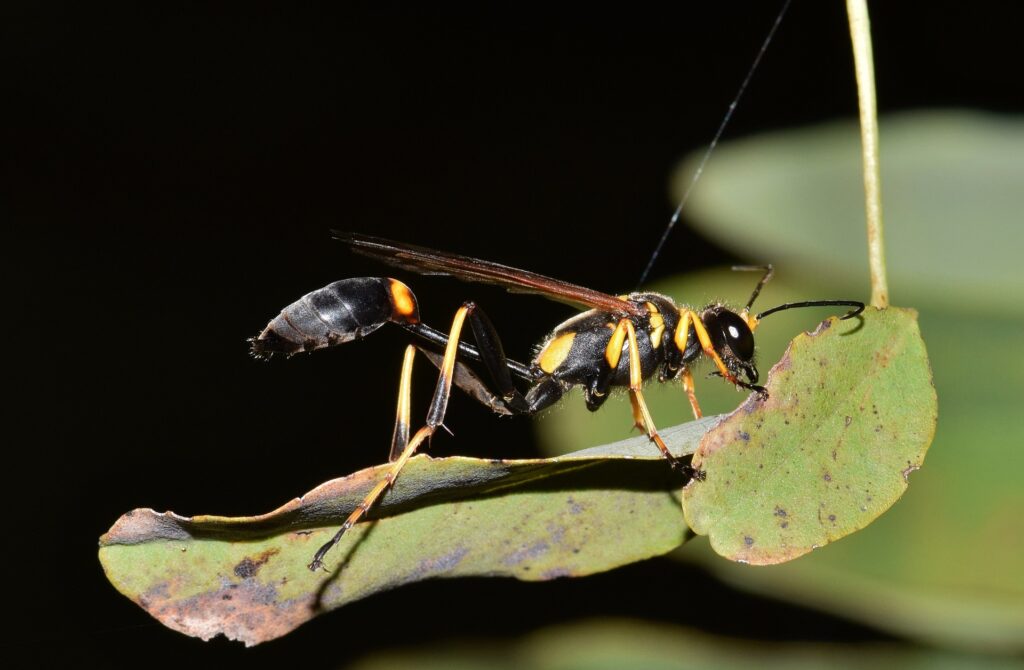
Knowing the different types of wasps helps you identify and manage potential threats around your home. Here’s a closer look at the five most common wasps you will likely encounter.
Yellow Jackets
Yellow jackets are among the most recognizable and feared wasps, often mistaken for bees due to their bright yellow and black stripes. However, unlike bees, they are far more aggressive.
Key Facts About Yellow Jackets:
- Highly Social: Yellow jackets live in large colonies, sometimes numbering in the thousands. They are known for their teamwork, especially when defending their nests.
- Nesting Habits: These wasps are adaptable and build nests in various locations, including underground, wall spaces, attics, or hollow trees. Their nests are often hidden, making them easy to stumble upon, which can trigger aggressive behavior from the entire colony.
- Attraction to Food: Yellow jackets are notorious for crashing outdoor events, especially where food is present. They’re drawn to sugary drinks, meat, and other picnic or barbecue items, turning a pleasant gathering into a potential hazard.
- Aggressive Behavior: Yellow jackets are dangerous due to their ability to sting multiple times and their aggressive nature. If you encounter them, keeping your distance and avoiding sudden movements that could provoke an attack is best.
Paper Wasps
Paper wasps are easily recognized by their slender bodies, typically reddish-brown or black with yellow markings, and their distinctive open, umbrella-shaped nests.
Key Facts About Paper Wasps:
- Nesting Habits: Paper wasps build nests under eaves, in trees, or sheltered areas around homes. These nests are made from chewed wood fibers mixed with saliva, giving them a paper-like appearance.
- Temperament: Generally less aggressive than yellow jackets, paper wasps are usually mild-mannered. However, they will defend their nests if threatened. A sudden movement or attempt to remove the nest can lead to a sting, which is typically less painful than a yellow jacket’s sting.
- Beneficial Role in Gardens: Paper wasps prey on caterpillars, flies, and other insects that can damage plants, helping to maintain a healthy garden environment.
- Less Aggressive: If you notice a nest early in the season, removing it before the colony grows large can prevent future issues. Since paper wasps are less aggressive, they are easier to manage around the home compared to more dangerous species.
Mud Daubers
Mud daubers are solitary and non-aggressive wasps, often uninterested in human activity. Let’s look into this type of wasp in detail below.
Key Facts About Mud Daubers:
- Appearance: These wasps have thin, elongated bodies, usually black or metallic blue, giving them a sleek look.
- Nesting Habits: Unlike social wasps, mud daubers build small, individual mud tubes, typically found on walls, ceilings, or other structures. Their nests resemble tiny clay pipes.
- Temperament: Mud daubers are known for their non-aggressive nature. They rarely sting humans and only do so under extreme provocation, making them less dangerous than other wasps.
- Beneficial Role in Spider Control: Mud daubers primarily hunt spiders, which they paralyze and bring back to their nests as food for their larvae. This helps control spider populations around homes and gardens.
- Minimal Risks: This type of wasp’s nest poses minimal risk and can be removed without fear of provoking an attack. Simply removing the nest prompts the wasp to relocate without incident.
Bald-Faced Hornets
Bald-faced hornets are large, black-and-white wasps known for their aggressive behavior and imposing presence. If you find a bald-faced hornet nest near your home, don’t attempt to remove it yourself. Contacting a professional pest control expert to handle the removal is recommended. Here are other important details about this type of wasp.
Key Facts About Bald-Faced Hornets:
- Appearance: These wasps are easily recognized by their large size and distinctive black-and-white coloring.
- Nesting Habits: Bald-faced hornets build large, enclosed paper nests, often high in trees, shrubs, or under eaves. These nests can grow to the size of a basketball and house highly territorial colonies.
- Aggression: Bald-faced hornets are extremely territorial and will aggressively defend their nests. Unlike other wasps, they typically don’t give warning buzzes—they go straight for the sting.
- Sting: Their smooth stingers allow them to sting multiple times, causing intense pain. Their aggressive nature and ability to deliver multiple stings make them particularly dangerous.
Cicada Killers
Cicada Killers are some of the largest wasps you’ll encounter, but despite their intimidating size and black-and-yellow coloring, they pose little threat to humans.
Key Facts About Cicada Killers:
- Size and Appearance: These wasps are very large, with striking black-and-yellow patterns, often mistaken for more dangerous insects.
- Behavior: Cicada killers are solitary and non-aggressive. They focus on their tasks and typically ignore humans unless directly provoked.
- Nesting Habits: Female cicada killers dig burrows in sandy soil, laying eggs and storing paralyzed cicadas as food for their larvae.
- Benefit to Humans: These wasps help control cicada populations, making them beneficial despite their intimidating appearance.
- Low-Risk Level: Cicada killers are not quick to sting and are far less of a risk compared to other wasp species. Their presence in your yard is usually nothing to worry about.
4 Wasp Prevention Tips
Preventing wasps around your home can be simple with a few key habits. Check them out below:
- Cover Food and Drinks: When dining outdoors, keep food and sugary drinks covered to avoid attracting wasps.
- Seal Garbage Cans: Ensure trash cans are tightly sealed to prevent food waste from drawing wasps.
- Inspect for Nests: Regularly check your property for small nests, especially under eaves, in trees, and other sheltered spots. Early removal is easier and ensures your property is protected.
- Maintain Outdoor Spaces: Trim shrubs, remove debris, and keep your yard tidy to discourage wasps from nesting.
When to Call a Professional
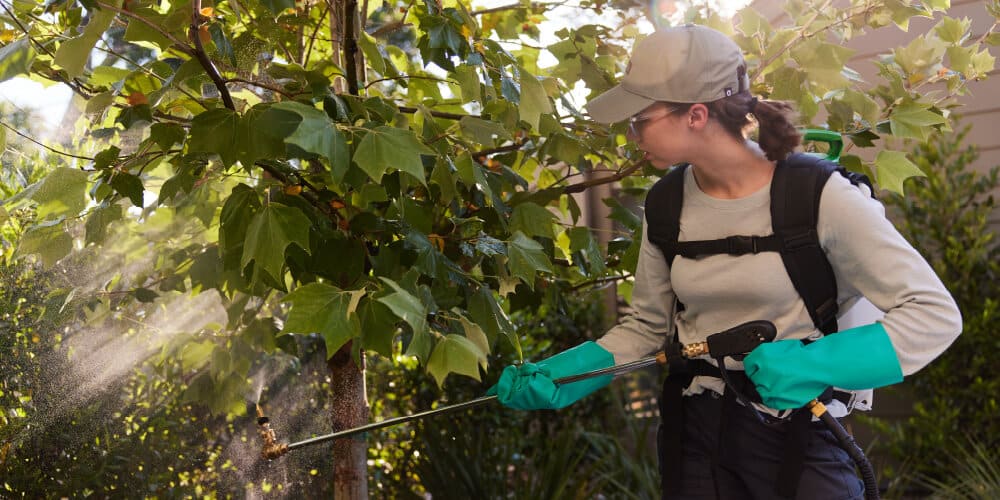
Pest control professionals have the tools and expertise to remove wasp nests in a secure manner and can provide advice on preventing future infestations. If you notice any of the following, it’s time to seek professional pest control services:
- Large or Multiple Nests: Big or numerous nests mean larger colonies and higher risks. DIY removal can provoke aggressive attacks.
- Aggressive Wasps in High-Traffic Areas: Frequent wasp activity near doors, windows, or outdoor spaces suggests a nearby nest, which is particularly dangerous for children and pets.
- Allergies to Stings: If anyone in your household has a wasp sting allergy, avoid all risks and let professionals handle nest removal.
Keep Your Home Secure with Aptive’s Wasp Solutions
Don’t let wasps ruin your outdoor enjoyment. Aptive offers expert wasp control services that protect your home from these aggressive pests. Contact us today to reclaim your space and enjoy peace of mind.