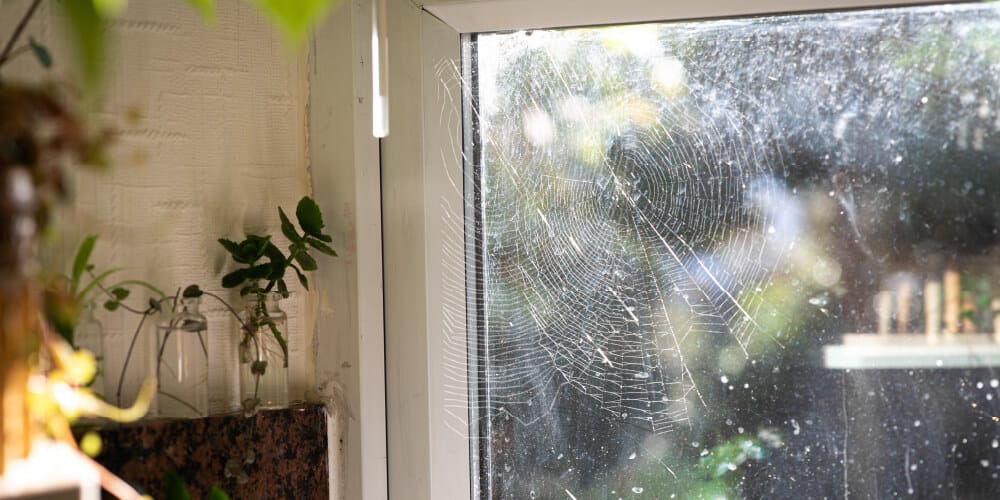
Spiders in the home are a common concern. While these eight-legged creatures play a crucial role in controlling pests like flies and mosquitoes, their presence indoors can be unsettling. Whether you find spiders a little too creepy for comfort or dealing with an infestation, it’s essential to take steps to manage them. Knowing how to control spiders helps to maintain a clean and comfortable living environment while preventing potential problems, such as unwanted webs, eggs, or even bites in some rare cases.
This guide will walk you through methods to eliminate spiders in your home—so you can feel more at ease to keep these critters out while creating a healthier and happier living space for everyone.
Understanding Common Spiders In Your Home
Spiders are often misunderstood house guests, and while they might make you jump when you spot them, they can be more beneficial than you think. Here are some instances of why spiders end up in your homes, the types you might encounter, and the pros and cons of their presence.
4 Common Household Spiders
A few spider species find their way indoors more often than others. Some of the most common ones include:
- House Spiders: Small and typically gentle, these spiders spin webs in the corners of rooms or basements, waiting for insects to wander by.
- Cellar Spiders (often called “Daddy Longlegs” ): These thin, Daddy Longlegs spiders usually hang out in dark, damp areas like basements or garages. Despite their spooky appearance, they are non-toxic.
- Wolf Spiders: They’re larger, faster, and tend to roam the floors rather than build webs. While intimidating, wolf spiders are not aggressive, and their bites are rare.
- Jumping Spiders: These tiny, curious spiders are known for their jumping skills and are often seen near windows or sunny areas.
Why Spiders Enter Homes
Spiders typically venture indoors for two things: food and shelter. As temperatures drop or food sources outside become scarce, your warm, cozy home becomes inviting. They’re attracted to other insects, their primary food source, and hidden spaces where they can spin webs or find safety.
The Pros and Cons of Spiders in Your Home
Believe it or not, spiders can help you more than they hurt. On the plus side, spiders are excellent pest controllers. They catch and eat mosquitoes, flies, ants, and even other spiders, keeping your home’s insect population in check. If you’re someone who prefers them as pest control, spiders can be a household guest.
However, there are drawbacks. Not everyone is comfortable with the sight of spiders, and certain species—like the brown recluse or black widow—can pose risks, though these are much rarer in typical households. Plus, spider webs can be unsightly, mainly when they collect dust in the corners of your home.
7 Best Ways to Get Rid of Spiders

Some people may not like finding a surprise spider in their home, and while some spiders are gentle (or even helpful!), it’s completely understandable to want to keep your space away from spiders. Whether you want to gently encourage them to move out or take more proactive measures, here are some things you need to consider.
1. Seal Entry Points
Spiders often sneak in through small cracks, gaps, or openings in your home. A significant first step in prevention is to inspect windows, doors, and any other potential entry points.
Seal cracks in walls, baseboards, and window frames, and consider using weatherstripping around doors to block those tiny spaces spiders can crawl through. Window screens should be checked regularly for holes, and if you notice any, patch them up to keep insects and spiders outside where they belong.
2. Reduce Clutter
Spiders love hiding in dark, undisturbed areas, so reducing clutter is critical to making your home less appealing to them—Declutter areas like basements, attics, and garages where spiders commonly hide.
Keep storage areas organized, and avoid letting items pile up in corners or under furniture. Keeping things tidy eliminates the comfy space where spiders tend to stay.
3. Store Food and Dispose Waste Properly
While spiders themselves aren’t drawn to your food, the insects they prey on are. Keeping food adequately stored and disposing of waste regularly helps reduce the number of insects in your home, making it less attractive to spiders.
Store food in airtight containers, wipe down surfaces to remove crumbs or spills and take out the trash regularly to minimize potential food sources for pests.
4. Maintain Cleanliness
A clean home is less likely to attract spiders. Vacuum regularly, especially in corners, under furniture, and around windows where webs might be built. Cleaning up cobwebs as soon as you notice them will also help disrupt any spiders that have already made themselves comfortable.
Regular dusting and sweeping remove the dust and debris that can attract other insects, making your home a less appealing hunting ground for spiders.
5. Use Natural Remedies to Get Rid of Spiders
If you’re not a fan of harsh chemicals but still want to keep spiders at bay, plenty of natural remedies may be worth trying out first. Some of these methods even leave your home smelling fresh!
- Essential Oils: Peppermint and Tea Tree
Spiders aren’t fond of strong smells, and essential oils like peppermint and tea tree are at the top of their “no thanks” list. To use this remedy, mix a few drops of peppermint or tea tree oil with water in a spray bottle, then spritz it around windows, door frames, and corners where spiders tend to hang out. The fresh, invigorating scent will repel spiders while making your home smell great! - Vinegar Solutions
Vinegar is another natural spider deterrent you can easily find in your kitchen. Spiders dislike the strong smell of vinegar, making it an excellent option for keeping them away.
Mix equal parts white vinegar and water in a spray bottle, then apply it to the areas where spiders might enter or build webs. While the smell of vinegar fades for us quickly, it’s still potent enough to bother spiders and encourage them to find somewhere else to explore. - Citrus Peels
Spiders also have a natural aversion to citrus scents, so don’t toss those lemon, lime, or orange peels just yet! To keep spiders away, you can rub citrus peels along windowsills, baseboards, and other areas.
Alternatively, you can use citrus-scented cleaning products to achieve the same effect. They’ll also leave your home smelling fresh and zesty! - Diatomaceous Earth
For a more powerful, natural solution, consider using diatomaceous earth (DE). This fine powder is made from the fossilized remains of tiny aquatic organisms. It works wonders for spiders and insects. Sprinkle DE around entry points, in the corners of rooms, or in areas where you’ve noticed spiders.
The powder is abrasive to their exoskeletons, which makes it an effective natural deterrent. Just be sure to use food-grade DE, as it’s the most uncontroversial option for indoor use. As always, use as directed by manufacturer.
Incorporating these natural remedies allows you to eliminate spiders without using chemicals. But consult a professional pest control specialist if you are dealing with a deadly spider.
6. Use Over-the-Counter Spider Repellents
Over-the-counter repellents are readily available and designed to target spiders directly for a quick and easy fix. These sprays usually contain chemicals that are effective at killing or repelling spiders on contact.
They can be used around doors, windows, and other entry points where spiders are likely to enter or in areas where you’ve seen webs. Many products also come in long-lasting formulas so that a single application can provide weeks of protection.
7. Consider Professional Pest Control Services
Tackling a spider infestation on your own can be challenging and may not always yield the desired results, especially if you’re unsure what types of spiders you’re dealing with. There’s also the risk of encountering potentially dangerous species that could threaten your safety if handled improperly.
Additionally, without the right tools and knowledge, you might inadvertently miss areas where spiders are hiding, leading to a persistent problem that a professional could have easily managed. Professional pest control like Aptive is an excellent option if you’re dealing with a more significant infestation or want peace of mind from expert care.
Precautions When Using Chemicals
While chemical solutions are effective, using them carefully is essential; here are a few important things to remember:
- Read the labels thoroughly before applying any chemical repellent, and always follow the recommended guidelines.
- Keep your kids and pets away from treated areas until the product has dried or settled. Some chemicals can be harmful if touched or ingested.
- When using sprays, ventilate the area properly to avoid breathing in fumes.
- If you prefer a low-toxicity option, look for more unassailable alternatives for humans and pets.
- For larger infestations, consider leaving the job to professionals with the proper training to handle chemicals efficiently.
Protect Your Home from Spider Infestation with Aptive

You can enhance your comfort at home by understanding why spiders come inside, taking proactive measures to prevent their entry, and selecting the proper methods to address any issues. Most importantly, you can seek the help of a professional, especially if you are dealing with a dangerous situation.
At Aptive, we’re dedicated to helping families and communities take control of spider and pest problems—one home at a time. Our expert pest control services help eliminate the infestation of this nuisance, allowing you to enjoy your home with complete peace of mind. Contact us today for a free quote, and let us protect your home from these stubborn pests so you can focus on what matters most.