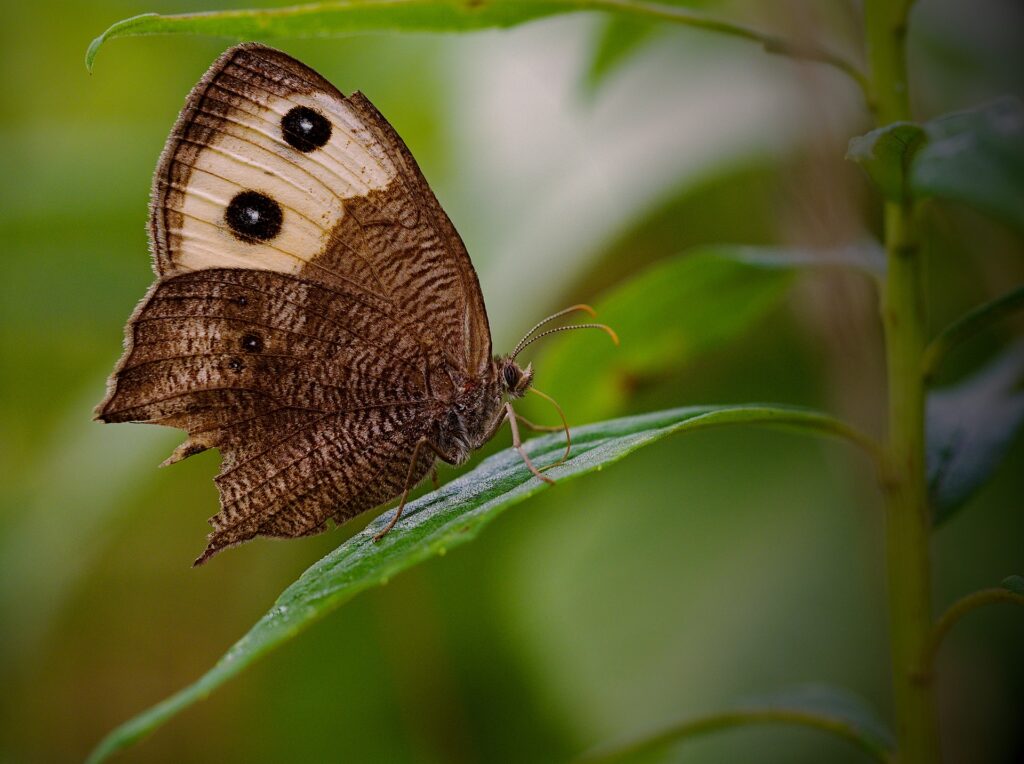
Moths may seem harmless compared to other household pests, but they can cause frustration. From chewing holes in your favorite wool sweater to infesting pantry goods, moths are sneaky intruders that often go unnoticed until it’s too late. But have you ever wondered what attracts moths into your home in the first place?
Knowing what brings moths into your home is essential for stopping infestations and maintaining a cozy living space. From the allure of bright lights to the scent of stored food or hidden undisturbed spaces, moths are attracted to areas we often overlook. Let’s explore the most common reasons why moths end up indoors, how to recognize a moth problem, and the best ways to keep them out.
What Are Moths Attracted To?
Moths, like most insects, are primarily drawn to environments where they can feed, reproduce, and stay hidden. Several factors play a role in what attracts moths, and understanding these can help you take preventive action:
1. Clothing and Fabrics
Certain species, like the clothes moth, are known for their affinity for fabrics—particularly natural fibers such as wool, silk, and cotton. Moths are drawn to dirty clothes that contain sweat, oils, and food residue, making them prime targets. Clothing stored in dark, undisturbed areas like closets or drawers is especially at risk.
2. Pantry Items
Moths are not just limited to fabric—they’re also attracted to pantry staples like grains, cereals, nuts, and flour. The Indian meal moth is a notorious pantry pest that lays its eggs on food, allowing larvae to feed as they develop. If you’ve ever opened a box of cereal to find tiny webs or larvae, chances are you’ve encountered a pantry moth infestation.
3. Outdoor Attractants of Moths
It’s not just indoor areas that appeal to moths; outdoor factors can also play a significant role. Moths are attracted to gardens, trees, and vegetation, especially where flowering plants and trees provide an abundance of nectar. Areas around porch lights or outdoor lighting are hotspots for moth activity, as moths are drawn to the light.
Keeping outdoor lighting minimal and using yellow-tinted “bug lights” can reduce the number of moths lingering around entryways, which prevents them from entering your home.
Are Moths Attracted to Light?
Have you ever noticed moths fluttering around outdoor lights or porch lamps during the night? You’re not alone! One of the most well-known behaviors of moths is their attraction to light. But why are moths attracted to light?
The phenomenon, known as “positive phototaxis,” occurs because moths navigate using the moon and stars as guiding lights. Artificial lights, such as porch lamps and streetlights, confuse them, leading them to spiral toward the source. While we don’t fully understand all the details behind this behavior, it’s clear that light plays a significant role in moth activity.
How Can You Tell If Your Home Has a Moth Infestation?
Once moths enter your home, they quickly reproduce, creating colonies that thrive on your belongings. Moth infestations are often widespread before they’re noticed, as seeing a moth usually signals an already advanced problem.
The key to preventing significant damage is spotting the early signs of an infestation. Being proactive with regular checks and inspections isn’t about being overly cautious—it’s about smart home management.
Here are some signs to help you detect moth activity in different parts of your home.
Signs of Clothes Moths
Clothes moths are a common household pest, often attracted to natural fibers like wool and leather. These pests can cause significant damage to your clothing if left unchecked. Look out for the following signs:
- Irregular holes or tunnels in stored clothes
- Silky trails, pits, or grooves on garments made from natural materials
- Excess shedding from furs with no clear reason
- Fine, silver webbing on clothing
- Larvae casings resembling small silken tubes attached to fabrics
- Crawling moths are visible on your clothes
If you notice any of these signs, it’s important to thoroughly inspect your wardrobe and other fabric items immediately.
Signs of Carpet Moths
Carpet moths, though they don’t fly, can crawl across your carpet, furniture, and drapes. Here’s how to tell if they’re present:
- Crusty deposits on carpets, curtains, or upholstery
- Visible fabric damage on chairs, sofas, or other furniture
- Deteriorating carpet fibers or a sudden increase in shedding
- Dust-like residue on soft furnishings or carpets
- Small moths crawling on your floors or furniture
Carpet moths often indicate a larger infestation throughout your home, so if you spot these signs, contact a professional pest control service.
Signs of Kitchen and Pantry Moths
Pantry moths are commonly found in dry food like grains, packaged goods, and dried fruits. They can contaminate jars, food packaging, and storage containers, often sneaking in through pre-contaminated items from the store.
Since you likely access your pantry more frequently than your closet, pantry moths can be spotted early. Keep an eye out for:
- Eggs or larvae inside food packages
- Web-like material in kitchen cupboards or food containers
- Small holes in plastic or paper food packaging
- Tiny brown moths flying or crawling in your cabinets
If you see a moth in your pantry, it’s likely that many more have already hatched, so it’s important to act quickly.
4 Ways to Prevent Moth Infestations
Now that you understand what attracts moths, it’s time to take action. Keeping moths out of your home involves a few simple steps that can make all the difference.
1. Proper Storage
Whether it’s food or clothing, proper storage is your best defense against moths. Store clothes in airtight containers and food items in sealed jars or bins. Avoid storing clothes in damp or humid areas, as moths thrive in these conditions.
2. Clean Regularly
Moths are attracted to undisturbed spaces, so regular cleaning is essential. Vacuum your closets, drawers, and pantries often to eliminate any potential food sources for moth larvae. Washing clothes and linens before storing them for the season can also help reduce the likelihood of moths moving in.
3. Manage Lighting
To minimize moth presence around your home, consider using dim, motion-activated lighting. You can also switch to yellow-tinted bulbs that emit less ultraviolet light, as UV rays are particularly attractive to moths. Reducing outdoor lighting near entry points can help deter moths from gathering and attempting to sneak inside, creating a less inviting environment.
4. Seal Entry Points
Moths can easily find their way inside through tiny cracks and gaps around windows, doors, and vents. Sealing these potential entry points can help keep moths and other pests outside where they belong.
What to Do If You Have a Moth Infestation
If you’ve identified an infestation, acting quickly is crucial to preventing it from spreading. Here are a few immediate steps to take:
- Remove Infested Items: Any food items contaminated by pantry moths should be thrown out immediately. Clothing or fabrics that show signs of damage should be thoroughly cleaned or disposed of.
- Clean and Vacuum: Deep cleaning areas where moths have been spotted is essential to remove eggs and larvae. Don’t forget to vacuum all the nooks and crannies where moths could be hiding.
- Use Moth Traps: You can purchase sticky traps designed to catch moths. These are especially effective for pantry moths and can help stop the infestation from spreading further.
- Call a Professional: For larger infestations or situations that feel out of hand, professional pest control services can offer effective, long-lasting solutions.
Bring Back Comfort to Your Home with Aptive’s Expert Solutions
When moths invade your space, it can be overwhelming, but it doesn’t have to stay that way. We at Aptive understand the impact a pest problem can have on your peace of mind. That’s why we’re committed to helping communities one home at a time through trusted pest control solutions.
Our friendly, knowledgeable experts provide tailored moth control solutions, focusing on protecting your family’s comfort and well-being. Ready to take back control of your home? Contact us today for a free quote and reclaim the comfort of a pest-controlled environment!
More FAQs About Moths
Below are answers to some of the most frequently asked questions about moths:
What fragrance do moths hate?
Moths are particularly repelled by the strong scent of cedar oil, which effectively deters them from invading your space. Other essential oils, such as lavender, rosemary, lemon, bergamot, sage, and mint, can also keep these pests away. Using these fragrances in sachets, sprays, or diffusers can help create a less inviting environment for moths while leaving your home smelling fresh.
How do you find a moth nest?
To locate a moth nest, look for telltale signs such as larval casings and dead moths in areas where they are active, like closets or pantries. Inspect clothing, fabrics, and stored food items for damage or the presence of larvae. Identifying these indicators early allows you to trace the infestation back to its source and take appropriate action to eliminate it.
How many types of moths are there?
There are approximately 160,000 species of moths worldwide. Moths are incredibly diverse and come in a wide range of sizes, colors, and habitats. They belong to the order Lepidoptera, which also includes butterflies. Moths can be found in almost every part of the world, from tropical rainforests to arid deserts, and they play important roles in ecosystems as pollinators and as a food source for other animals.
What do moth eggs look like?
Moth eggs are usually tiny, round, or oval, and are difficult to spot with the naked eye. They are often white, cream, or translucent and can be found in clusters in hidden areas like folds of fabric, in grains, or along walls and ceilings. Moth eggs are typically laid in places where the larvae will have easy access to food, such as stored food products or natural fibers like wool or silk.
At Aptive, we’re committed to helping homes and communities tackle moth problems one step at a time. Our expert moth control services are designed to protect your home, ensuring you can enjoy your space with peace of mind. Reach out for a free pest control quote today, and let us help keep your home free from moth infestations.