Encountering house flies buzzing persistently around your living spaces represents one of the most common and frustrating household pest experiences. These insects gravitate toward kitchen areas, trash cans, moist drainage systems, and places where pets live. While initially appearing as mere annoyances, house flies pose legitimate health concerns through their ability to transfer bacteria and pathogens between contaminated surfaces and food preparation areas.
This comprehensive guide provides detailed information about house fly identification across all life cycle stages, explains the environmental factors attracting them to residential properties, and outlines effective prevention and elimination strategies. Understanding these persistent pests represents the first step toward establishing effective fly control protocols for your home.
What Are House Flies?
The common house fly (Musca domestica) ranks among the most widespread insect species globally, having adapted specifically to thrive in close proximity to human habitation. These medium-sized flies measure approximately 1/4 inch (6-7mm) in length, featuring gray bodies with four distinctive black thoracic stripes and large reddish compound eyes. Their transparent wings display slight venation patterns and remain positioned flat against their bodies during rest periods.
Their most significant biological feature involves specialized sponging mouthparts that prevent direct chewing. Instead, house flies secrete digestive enzymes onto food surfaces, liquefying organic materials before consuming them through absorption. This feeding mechanism significantly contributes to their disease transmission potential, as they readily transfer pathogens between contaminated surfaces and human food sources.
These adaptable insects maintain year-round activity in warmer climates while demonstrating seasonal patterns in temperate regions, typically emerging from spring through early autumn. Their exceptional reproductive capacity and ability to use diverse organic materials for breeding purposes explain their persistent presence in residential environments despite control efforts.
House Fly Life Cycle
House flies complete their development process with remarkable speed, potentially transitioning from eggs to reproductive adults within a single week when environmental conditions remain favorable. Their entire life cycle occurs within close proximity to feeding sources, with development accelerating significantly in warm, humid environments.
The cycle begins when female flies deposit small, white, oval-shaped eggs directly onto decaying organic material including food waste, animal excrement, or decomposing vegetation. Individual females can produce up to 150 eggs per batch and approximately 500 eggs throughout their lifetime, selecting specifically soft, moist substrates essential for larval development.
Within 8-24 hours, these eggs hatch into cream-colored, legless maggots that feed continuously for 3-5 days while remaining concealed within their organic food source. Upon reaching maturity, larvae migrate to drier locations where they form hardened pupal cases, undergoing metamorphosis over 2-6 days depending on ambient temperature conditions.
Emerging adults become capable of flight immediately, achieving sexual maturity within 2-3 days, with females beginning to deposit eggs shortly thereafter. This accelerated reproductive timeline explains how small fly populations rapidly expand into significant infestations when breeding conditions remain undisturbed.
House Flies vs. Other Flies
House flies demonstrate distinctive biological and behavioral characteristics that differentiate them from other common fly species encountered in residential settings:
- Fruit flies (Drosophilidae) measure significantly smaller (2-4mm) with tan-colored bodies and red eyes, primarily attracted to fermenting sugary substances including overripe produce, spilled beverages, and alcohol residues.
- Drain flies (Psychodidae) display moth-like appearances with fuzzy bodies and hold their wings roof-like over their bodies when resting. These insects breed specifically in organic biofilm accumulating within plumbing systems and typically remain localized near infested drains.
- Blow flies (Calliphoridae) feature distinctive metallic blue or green coloration and larger body size, preferentially seeking carrion and animal waste materials. They typically enter from outdoor sources where decomposing organic matter attracts them.
House flies, by comparison, demonstrate extreme mobility, readily entering buildings through minimal openings while utilizing diverse organic materials for feeding and reproduction. Their adaptability to varied food sources and breeding substrates contributes significantly to their persistent presence in residential environments.
Signs You Have a House Fly Infestation
Distinguishing between occasional fly intrusions and established breeding populations requires recognizing several indicators. While isolated individuals may represent random entry events, consistent observations of multiple signs typically indicate active infestations requiring comprehensive management approaches:
- Frequent adult fly sightings concentrated around windows, light fixtures, or kitchen areas, particularly when repeatedly observed in identical locations despite elimination efforts
- Discovery of pale, cream-colored maggots within garbage receptacles, beneath appliances, around pet feeding areas, or near floor drains
- Presence of small dark spots (fly excrement) on light-colored surfaces including walls, window frames, light fixtures, or ceiling areas where adults frequently rest
- Persistent subtle odors suggesting concealed decomposing organic material despite regular cleaning practices
- Rapid reappearance of adult flies following temporary reduction through swatting or initial treatment applications
The presence of multiple indicators strongly suggests established breeding activity rather than occasional entry from exterior sources. Early recognition of these warning signs enables more effective intervention before populations reach problematic levels requiring professional management.
What Attracts House Flies?
House flies demonstrate remarkable sensitivity to organic decay odors, following scent gradients to locate potential food sources and breeding substrates. Understanding these attractants helps identify vulnerability factors contributing to persistent fly problems:
- Improperly sealed waste receptacles allowing odor dispersion and direct fly access to organic materials
- Food residues remaining on unwashed dishes, countertops, or cooking surfaces
- Organic spills beneath refrigerators, stoves, or other kitchen appliances
- Uncollected pet waste in yards, litter boxes, or animal keeping areas
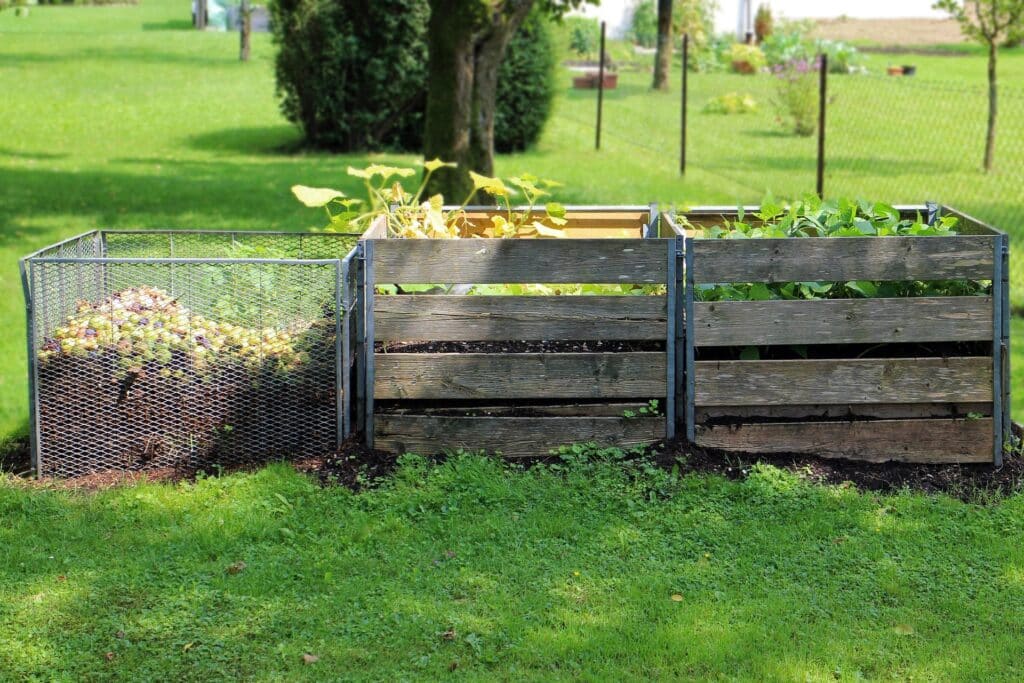
- Improperly managed compost materials with excessive moisture content
- Organic buildup within sink drains, garbage disposals, or floor drainage systems
- Overripe fruit or vegetables stored at room temperature in open containers
Simultaneously, these insects exploit numerous structural entry opportunities including:
- Torn or improperly fitted window/door screening materials
- Gaps surrounding utility penetrations or ventilation systems
- Doors left ajar during warmer months without adequate screening
- Structural gaps developing around windows, door frames, or foundation areas
Addressing both attractant factors and entry pathways creates a comprehensive approach to effective fly management in residential settings.
How to Prevent a House Fly Infestation
Implementing consistent preventative practices significantly reduces house fly attraction, reproduction, and entry potential. Focus on these key management approaches:
Structural Exclusion:
- Repair or replace damaged screening materials on windows, doors, and ventilation openings
- Install and maintain proper weatherstripping around exterior doors
- Seal gaps surrounding utility penetrations and foundation junctions
- Keep exterior doors closed during peak fly activity periods unless protected by functional screening
Sanitation Practices:
- Store perishable foods in sealed containers or refrigerated environments
- Empty indoor garbage receptacles daily and utilize containers with tight-sealing lids
- Clean food preparation surfaces promptly after meals and cooking activities
- Rinse recyclable containers thoroughly before storage in collection bins
- Remove pet waste promptly from both interior and exterior environments
- Maintain proper moisture management in compost systems through adequate turning and covering
Moisture Control:
- Apply enzymatic cleaning products to drains and plumbing systems regularly
- Ensure proper drying of cleaning implements including mops, sponges, and cloths
- Repair plumbing leaks and address condensation issues beneath appliances
- Improve ventilation in high-humidity areas including bathrooms and laundry spaces
These preventative approaches create environments significantly less conducive to fly activity while reducing the likelihood of established breeding populations developing within residential structures.
When to Call a Professional
When dealing with persistent house fly problems in your home, Aptive’s pest control experts offer specialized solutions. Our technicians perform detailed inspections to assess the situation and develop customized treatment plans targeting these specific flying pests. We’ll identify breeding sites that may be hidden in waste receptacles, drains, or beneath appliances, and determine key entry points around your home’s perimeter that allow flies continuous access.
For established indoor infestations, we focus on eliminating breeding sources and implementing targeted treatments to disrupt the rapid reproductive cycle of house flies. When addressing seasonal or recurring fly problems as part of our pest control service, we’ll recommend exclusion strategies to seal entry points and treat perimeter areas to create effective barriers against future invasions. Our comprehensive approach addresses both current fly populations and helps prevent future infestations through ongoing prevention strategies.
If you’re experiencing problems with these persistent flying pests, contact Aptive today for a free quote. Our fly control experts will evaluate your specific situation and recommend the most effective solutions to protect your home and family from these disease-carrying invaders.