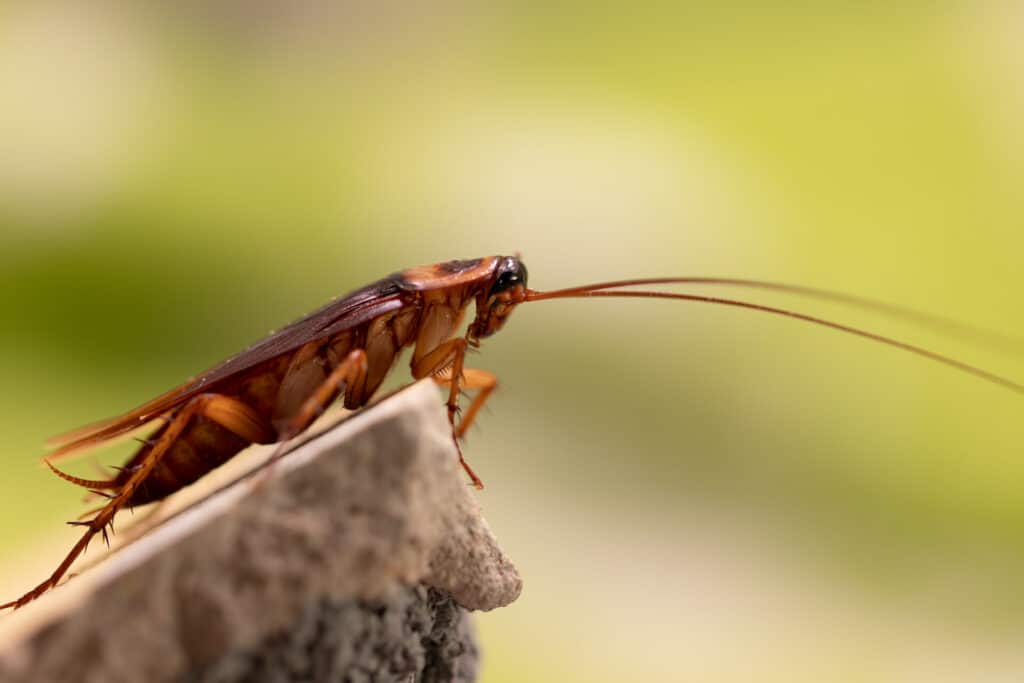
Cockroaches are among Earth’s most resilient and widespread pests, with about 4,500 species identified. These hardy insects have adapted to various environments, from tropical rainforests to urban landscapes. They are notorious for their ability to survive in conditions that would be inhospitable to many other creatures. Cockroaches are often found close to human habitation, thriving in places where food and water are readily available.
While most cockroach species prefer outdoor environments, a few have adapted to living indoors. Among these, the German cockroach is one of the most common and troublesome species.
This article breaks down everything you need to know about German cockroaches, including their features, habitats, and the risks they pose.
What Are German Cockroaches?
German cockroaches are one of the most common cockroach species found across the globe—particularly in human-occupied areas. They are often found in homes, restaurants, hotels, food processing facilities, and other places where humans frequently prepare and consume food.
How Are German Cockroaches Different from American Cockroaches?
The German cockroach is quite different from other species. This includes the American cockroach. Both are relatively common but have distinct features, as shown in the table below.
| Feature | German Cockroach | American Cockroach |
| Size | 1/2″ to 5/8″ long | 1 1/2″ to 2″ long |
| Appearance | Light brown to tan, with two dark parallel stripes behind their heads | Reddish-brown with a thorax edged in faded yellow |
| Location | Common in kitchens and bathrooms | Found in basements, crawl spaces, and around drains |
| Frequency | Most common species | Less common compared to German cockroaches |
How to Identify German Cockroaches
Have you spotted a cockroach in your home? Do you want to find out whether it’s a German cockroach or another species?
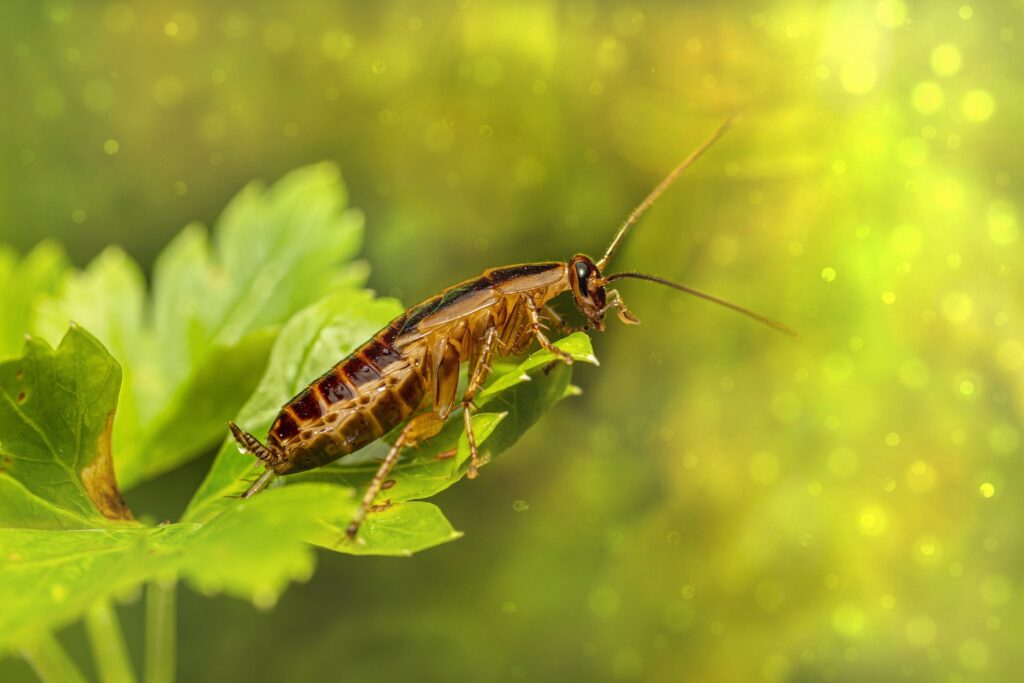
The first thing to look at is the color of the roach. German cockroaches are light brown or sometimes tan. You’ll see two darker stripes on the backs of their oval bodies. These stripes run almost parallel from behind their heads.
German cockroaches are also quite small. In most cases, they measure approximately 1/2″ to 5/8″ in length and have six legs and long antennae. They are also flat—a feature that enables them to hide in the narrowest of gaps and crevices. And although they have wings, they are not very skilled fliers. Instead, they get out of threatening situations by scurrying quickly and climbing up surfaces.
German cockroaches are, for the most part, nocturnal. This means they are most active at night. During the day, they likely hide under kitchen sinks, behind appliances, or in bathroom cupboards. If you see a German cockroach during the day, you might have an infestation.
Problems Caused by German Cockroaches
German cockroaches are not pleasant to live with and can be a source of anxiety for those who don’t like bugs. But, perhaps more importantly, these nasty critters carry significant health risks.
One of the biggest problems with German cockroaches is their ability to transmit bacteria, viruses, and diseases. You might unknowingly bring a German cockroach into your home inside your groceries or other items. Once inside, the bug seeks shelter close to food sources—in many cases, that means taking up residence in your kitchen. There, it crawls all over your utensils, plates, and coffee mugs, which you later use to cook and eat. This is how they spread harmful pathogens.
What Types of Diseases Do German Cockroaches Carry?
German cockroaches can carry bacteria on almost every part of their bodies. The type and associated risks vary.
For example, German cockroaches can pass on Salmonella and E. coli—both of which are common causes of food poisoning and dysentery. Symptoms include diarrhea, fever, and abdominal cramps.
Signs of a German Cockroach Infestation
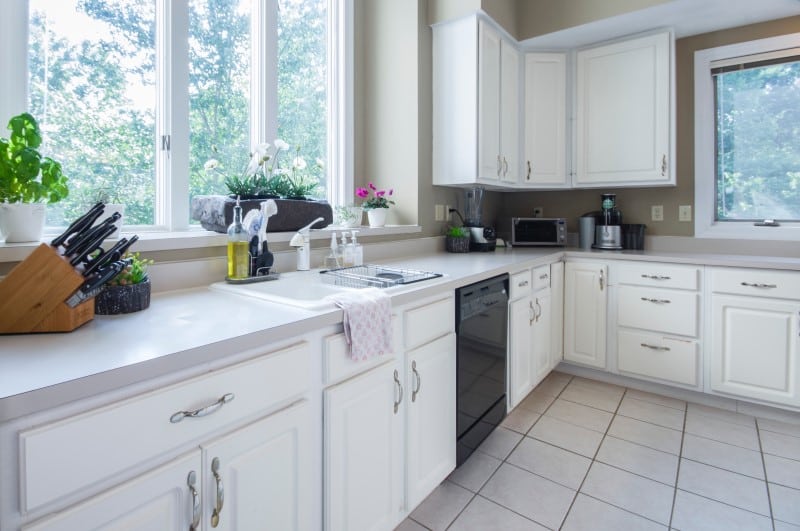
Some areas of your home or business are more vulnerable to a German cockroach infestation. These include:
- The kitchen, where there is an ample supply of both food and warmth. German cockroaches might be found under your appliances, on countertops, and in drawers.
- Bathrooms, where moisture attracts them. Look under the sink and inside the bathtub. Sometimes, they might crawl in through the drain.
- Basements, which offer a humid environment.
If you notice any of the signs below in one or more areas listed above, you could have a German cockroach infestation.
Sign 1: Droppings and Egg Castings
German cockroaches are most active while you are asleep, so you might not always see the cockroaches themselves. However, these creatures leave behind clues—namely, droppings and egg castings. Droppings look like coffee grounds or pepper and can be as large as grains of rice. Egg cases are oval-shaped and brown, and they indicate active breeding.
Sign 2: Unexplained Smells
It’s a disturbing thought, but cockroaches have a very recognizable smell. It’s oily and musty. As the infestation becomes larger, the smell intensifies. So if your home has a strange, unexplained smell, it could be a sign of cockroaches.
Sign 3: Your Neighbor Has Cockroaches
German cockroaches are opportunists. They will do whatever it takes to survive and multiply. That’s why infestations often move from house to house—and fast. This is especially true for those living in high-density areas or living spaces with shared walls, like apartments. They can easily travel through pipes, electrical conduits, and even cracks in walls. Additionally, their rapid reproduction rate means that a small problem can quickly escalate into an infestation if not addressed.
Sign 4: Cockroach Sightings
A single cockroach sighting might not be enough to determine whether you have an infestation, but it’s an important sign. If you do see one, it’s worth investigating further. Try inspecting your kitchen or bathroom at night. Approach quietly and turn the lights on fast. If you see cockroaches scatter away, you likely have an infestation on your hands.
How to Prevent German Cockroaches
Prevention is almost always better than the cure. This logic applies to German cockroach infestations too. These creatures are incredibly resilient and can thrive in challenging environments.
Here are some tips you can try to reduce the risk of an infestation:
Keep Your Home Clutter-Free
German cockroaches love cluttered environments. They seek out nooks and crannies for shelter. Regularly declutter your home to reduce hiding places. Keep storage areas organized and ensure items are not piled up on floors or in corners.
Clean Up Quickly
German cockroaches need food to survive—that’s one reason they do so well in homes and businesses. To prevent infestations, you want to minimize their access to food. This means cleaning up quickly after food preparation. Wipe down countertops with disinfectant, vacuum floors, and wash dishes immediately. Avoid leaving them in the sink while you sleep. Don’t forget to lift and clean underneath your benchtop appliances, like the toaster or coffee maker.
Avoid Moisture Buildup
German cockroaches have a preference for damp, humid environments. It’s what draws them toward kitchens and bathrooms. Knowing this, do what you can to keep everything as dry as possible. For example, fix leaking pipes or taps fast. Wipe up water spills and use dehumidifiers in basements and cupboards, where needed.
Store Food Securely
Again, this tip is about reducing the accessibility of food. Never store open food on your counter or table—things like open cookie or cereal packets can attract German cockroaches. This rule applies to pet food too. Use airtight containers to keep roaches out.
Make Sure Your Bin Has a Lid
Garbage is a major attractant for cockroaches, so invest in a rubbish bin with a tight-fitting lid. Take the trash out regularly, ideally every day or every other day. This minimizes odors that can attract pests in the first place. Finally, periodically clean the bin itself. A quick wipe-down with anti-bacterial spray should suffice.
Seal Gaps Around Your Home
Carefully inspect your home for cracks, holes, and gaps around doors and windows. Use sealant or duct tape to close these entry points. In addition, consider using a sink strainer or plug to block drains overnight.
Call Professional Exterminators
Sometimes, despite your due diligence and best efforts, professional extermination is necessary. Professional pest control services can examine your home and look for signs of an infestation. They can then recommend possible treatment approaches.
Need Pest Control for German Cockroaches?

German cockroaches are more than just creepy. They can pose a serious health risk. So if you suspect you have an infestation on your hands, it might be the time to call in professionals before the problem escalates.
Get in touch with Aptive today for personalized advice and guidance. We can work together to create a comfortable and protected environment for you and your family!